Friends and colleagues,
Attending conferences is not something we get to do often at Civilytics. For a very small business, conference attendance is expensive and has a high opportunity cost. Most of our professional development comes from YouTube videos and most of our networking comes through opportunities created by our clients. But this year I was fortunate to attend two conferences not as a speaker or teacher, but simply as an attendee. In August, through PolicyLink’s generosity, I attended Summit 2026 in Washington, DC, with thousands of like-minded civic activists all thinking about why we are doing our work. Then, in September, I was off to Houston to convene with hundreds of my fellow data scientists at Posit::Conf 2026 to think about how my work has changed and will keep changing.
Engaging with the why at We Are the Founders
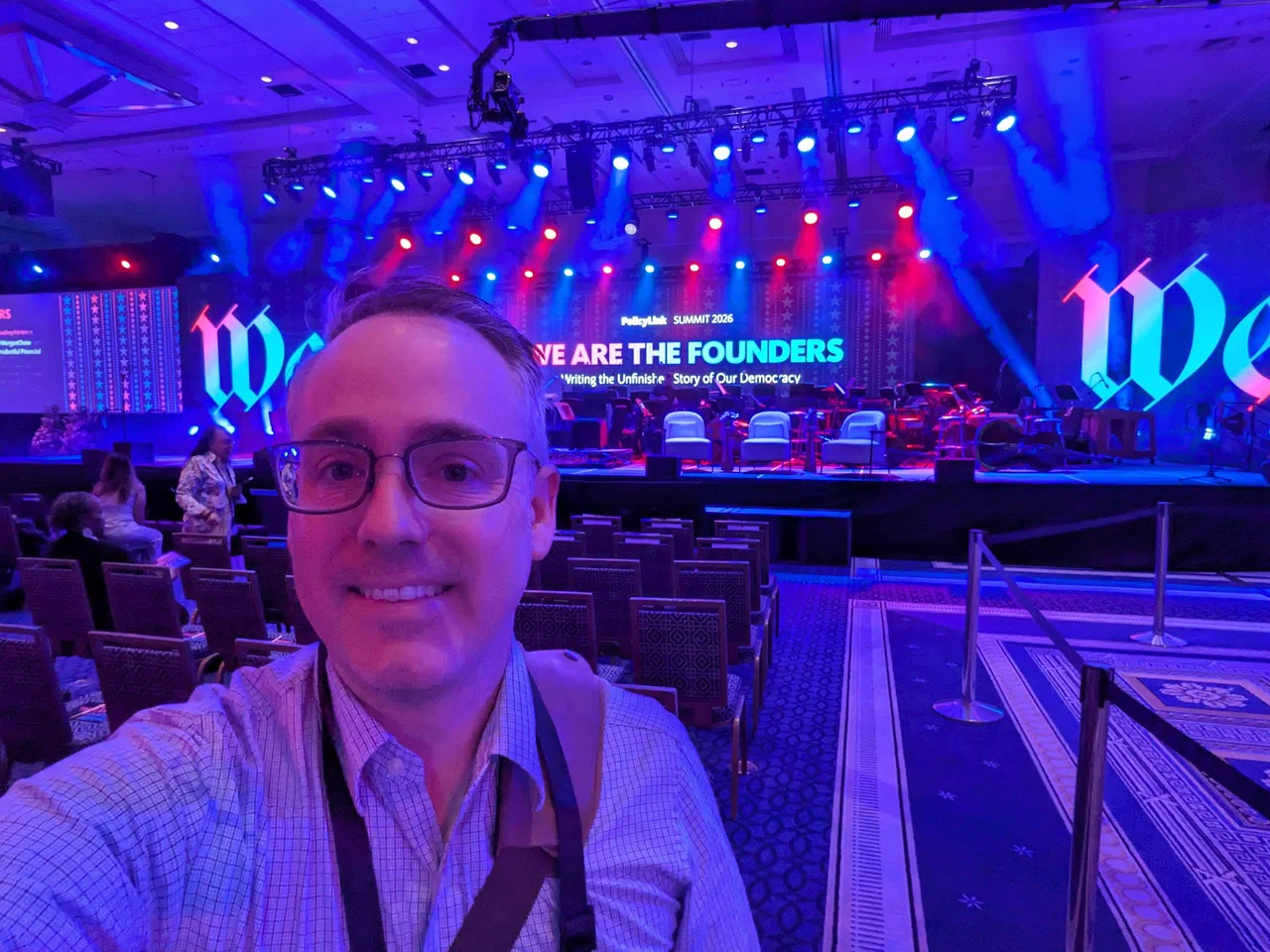
In August, I attended the PolicyLink Summit (opens in new tab) in Washington, DC, made possible through Civilytics’ partnership with PolicyLink. This year’s theme was “We Are the Founders: Writing the Unfinished Story of Our Democracy.”
This was an opportunity to reengage with Civilytics’ original vision and reflect on how we have aligned with that vision since our founding ten years ago. I have come to think of our role as expertise in service of democratic community demands. I think a lot about the threats and opportunities for expertise in a democracy. Local government remains where we are often the most engaged because I still believe local government offers incredible opportunities to deliver material improvements to people’s lives and build our democratic accountability muscle.
What I took away from the conference was this:
- Our democracy has been “founded” and “refounded” multiple times, each time moving closer to a democracy designed to work for all. Sherrilyn Ifill said to us: “You have permission to refound your country. It’s already happened. […] So number one is to give ourselves permission, and I would even say obligation, to refound your broken country. Not just permission, but obligation.”
- We need to reclaim the constitutional foundation of a democracy for all — the 14th Amendment. This means remembering how it was born out of the Civil War and a commitment to protect and permanently enshrine the rights missing from the first four score and seven years of the republic. (We recently watched the Apple TV series Manhunt about the days following Lincoln’s assassination and highly recommend it as a gripping and educational depiction of that moment in history.)
- We can build power that is accountable to a public that includes all of us, and it is the only kind of power worth building.
I’m still thinking through what this means for Civilytics and where we go next, but putting public money into the hands of the people and keeping it out of the hands of special interests seems as important as ever.
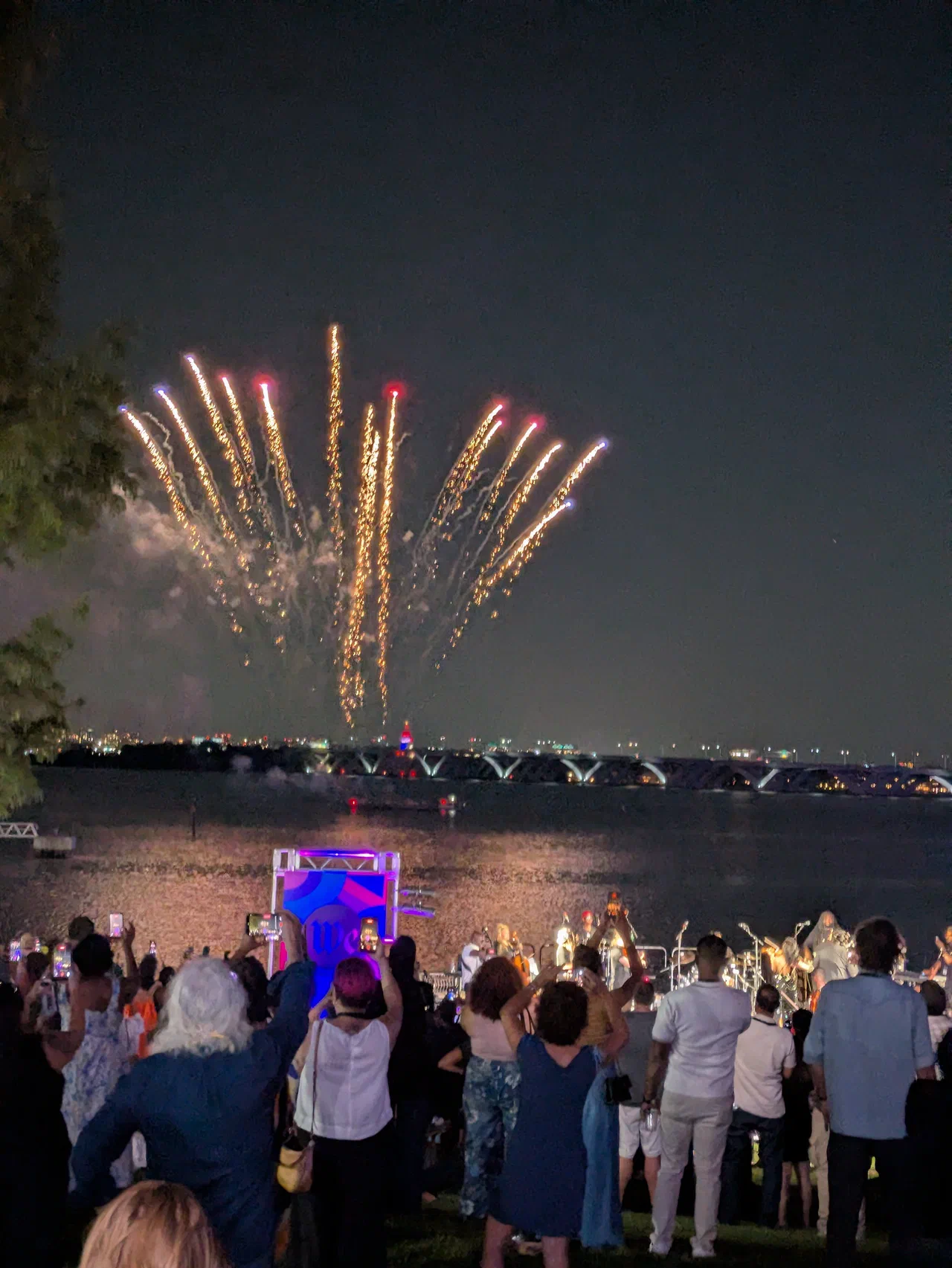
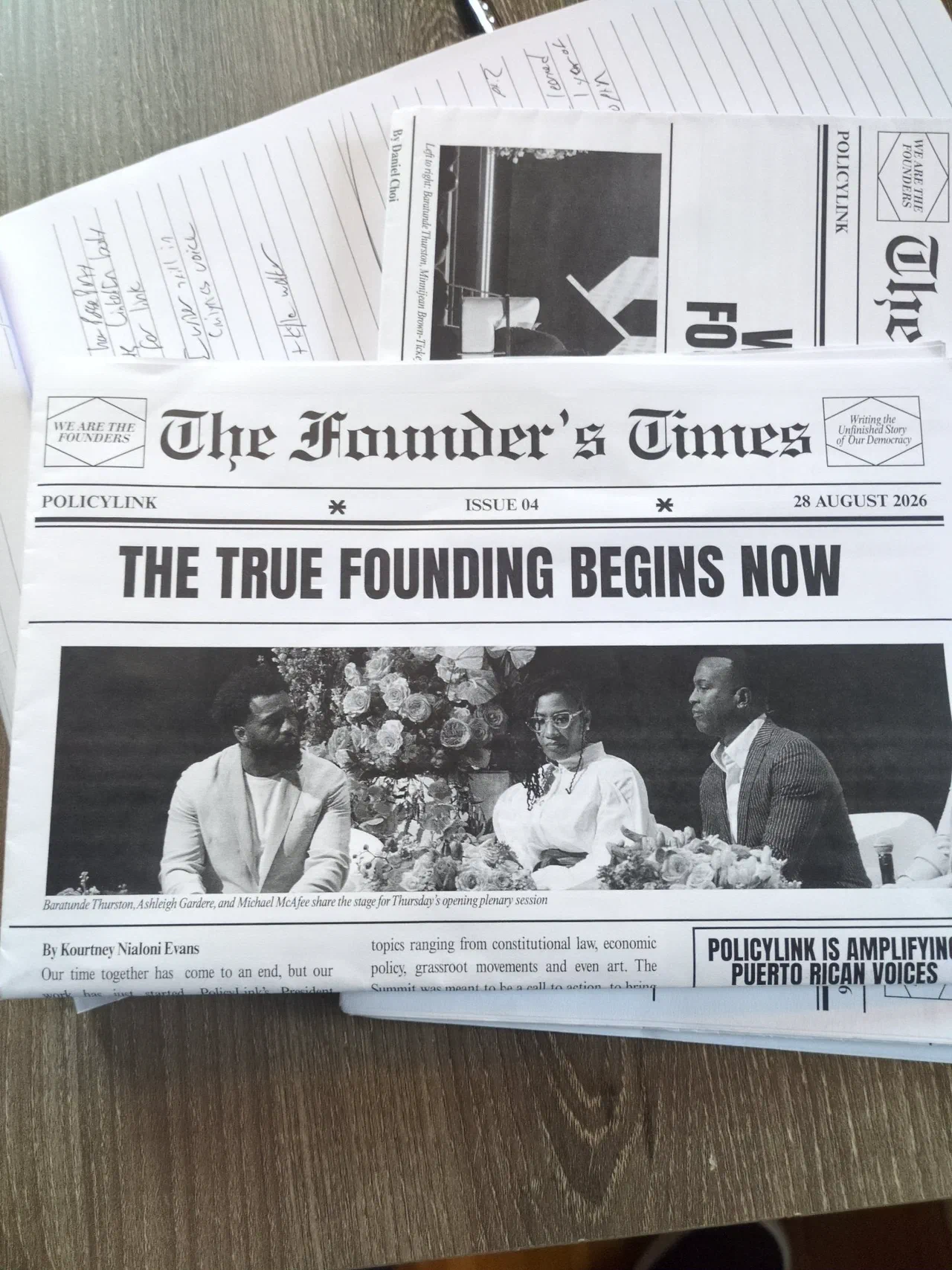
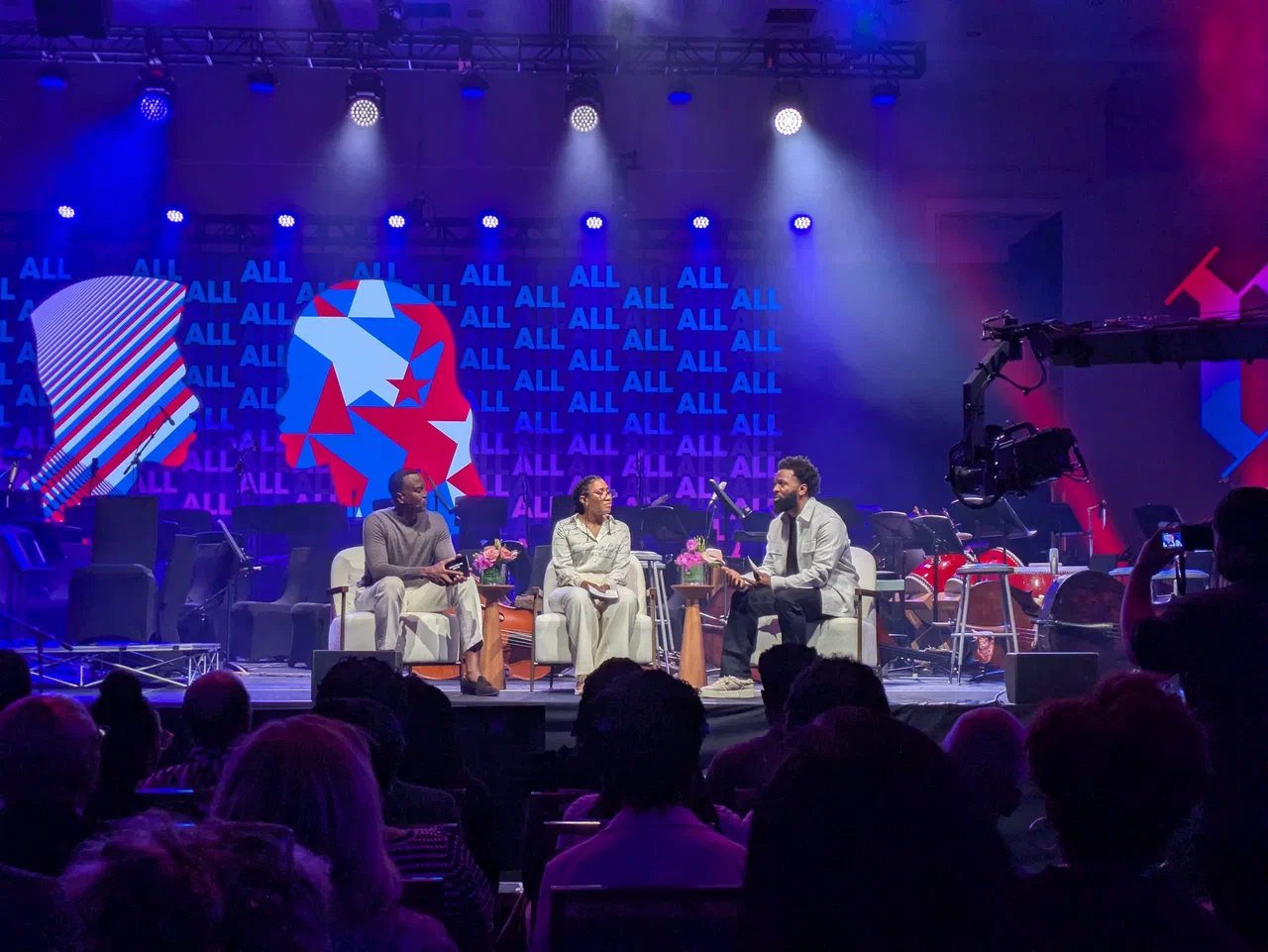
It was a genuine pleasure to spend a few days with some of the people we already work alongside, as well as a good number we hope to work with before long. It was inspiring to be around so many people occupied with the same question of how to make our democratic institutions work better for the people they serve. Thank you to PolicyLink for putting on a beautiful event — it really gave me a fresh boost of motivation and energy for this work. I snapped some pictures to share with you all:
Thinking about how at Posit::Conf 2026 in Houston
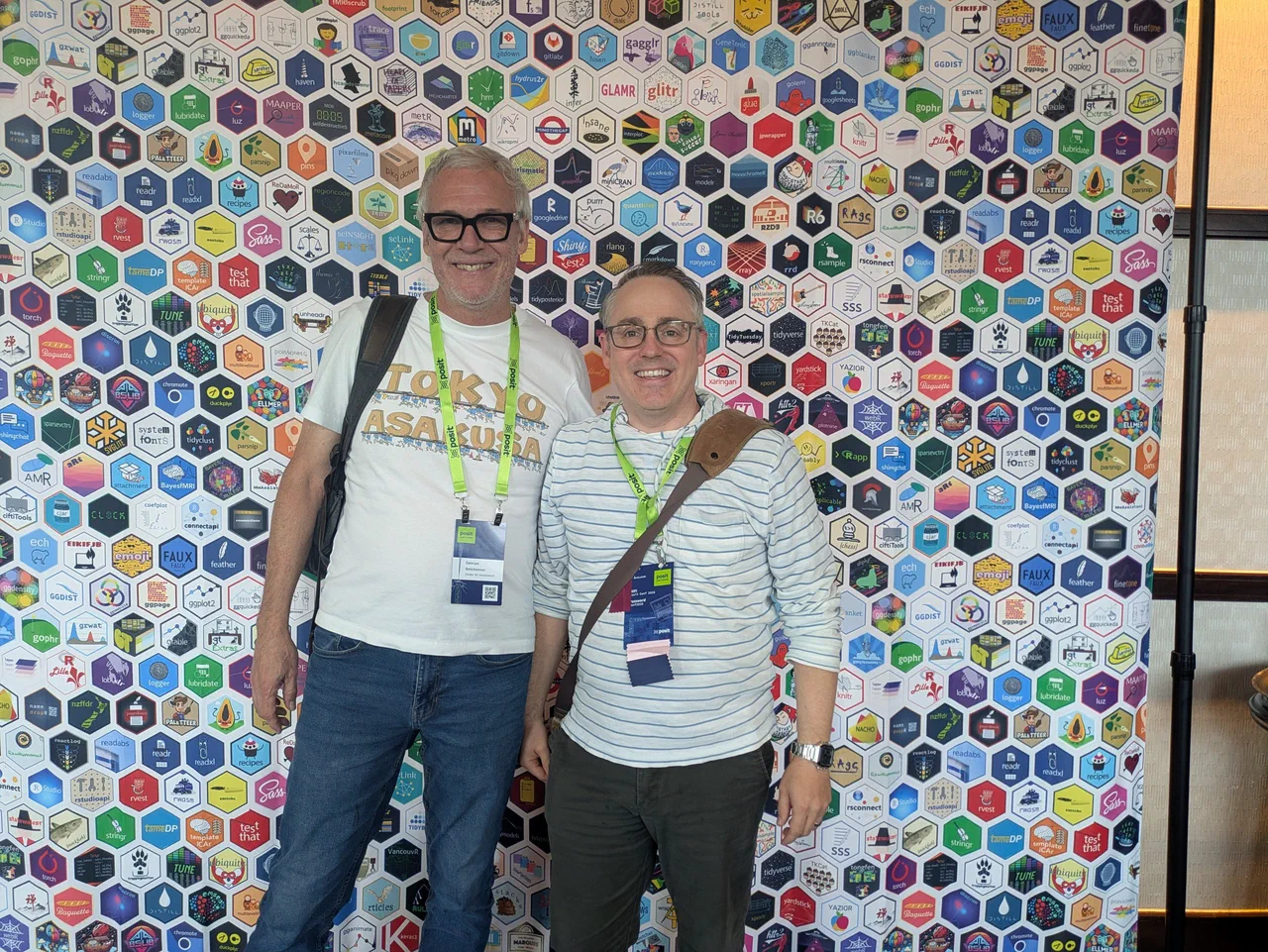
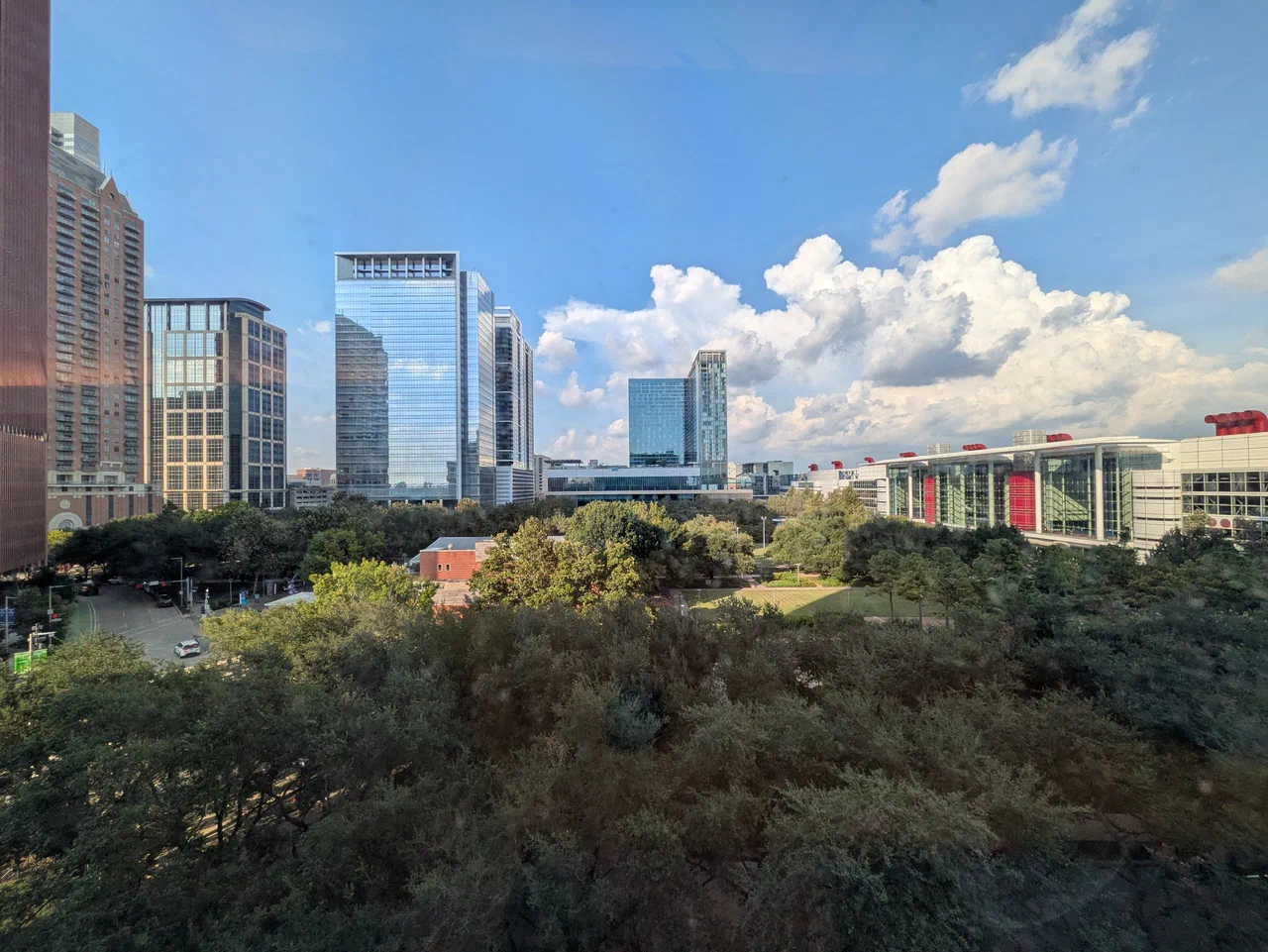
Next up, I was off to Houston for posit::conf (opens in new tab) to think about how I want to do this work. In the last nine months how I accomplish my work has completely changed — from Windows, R and RStudio, Chrome, and Microsoft Office to Linux, Python and R via Ghostty, Zen, Quarto, markdown, and Open Office. The reason, of course, is that LLM coding agents have gotten very, very good, and that has meant that producing code is no longer my primary task.
I generally attend posit::conf virtually, for free, by watching the talks on YouTube about six months after the event concludes. The content is always excellent, relevant, and grounded in the day-to-day work of data scientists.
This year I decided to attend in person with a friend. It was especially compelling this year because watching content six months later feels very long right now. I have a lot of questions about how others are doing their work, where the tools we use to analyze data are going, and what I should be learning.
The conference was great — it gave me space to reflect on these things, listen to what others had learned, and inspired me to push myself in new directions. I have been reflecting a lot on what skills I need to lean into more and what skills I need to acquire now that my ability to remember or quickly find obscure R functions has been largely replaced by LLMs. The conference gave me two good answers.
- Lean into my subject matter expertise more. The focus of my work is not to write beautiful code that elegantly solves generalizable problems (though I do maintain an R package or two (opens in new tab)).
- Learn more about software engineering practices. I do a lot of “spec” writing and “plan review” now with LLM agents, but I realized I do not have the same grounding in that work as the LLM or people who are getting a lot out of LLMs. This is an area where learning more should really benefit me.
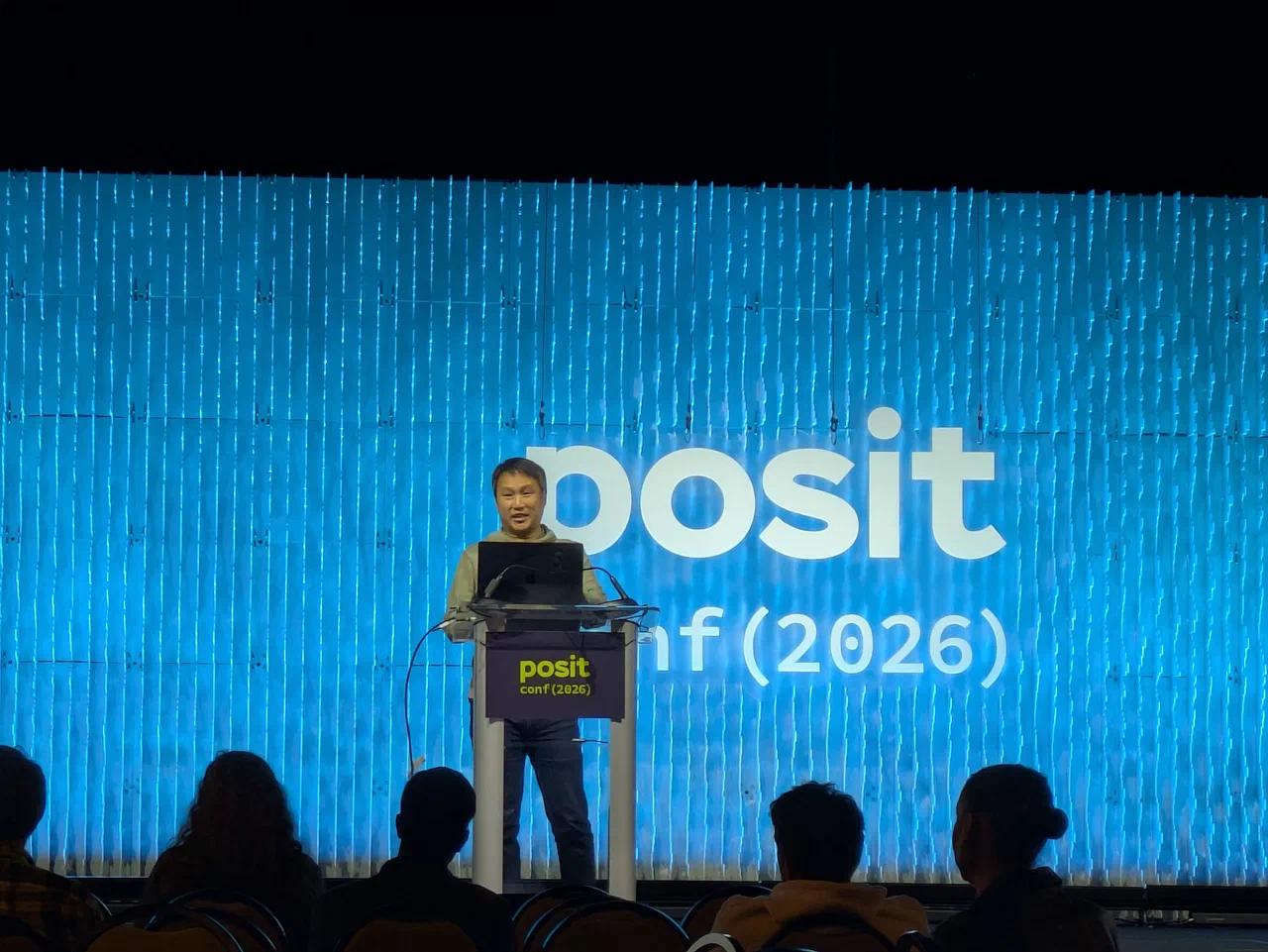
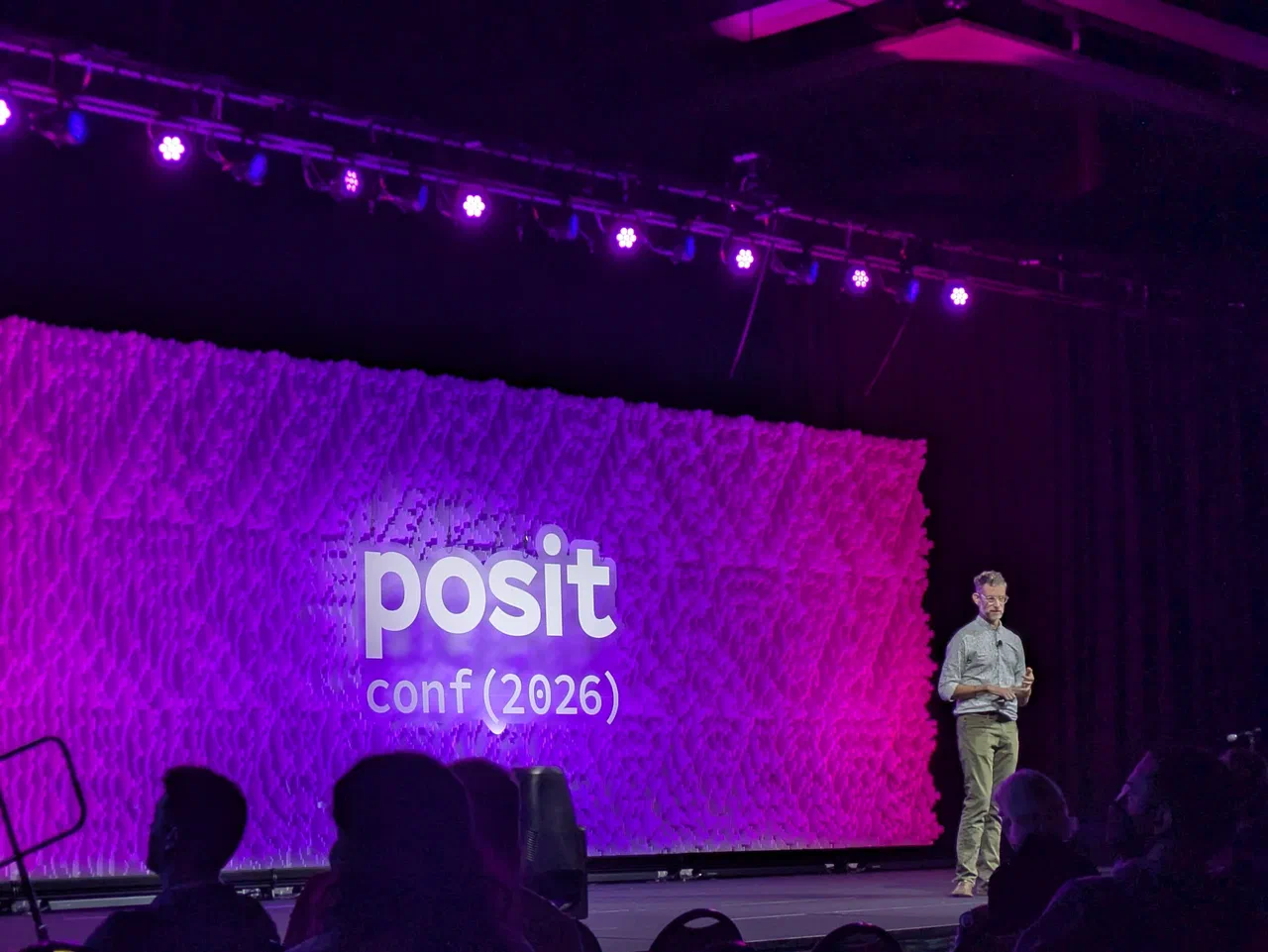
A standout from the event for me was the keynote by Wes McKinney, creator of pandas and now founder at kenn.io (opens in new tab). He talked about the tools he is building to make AI-driven software development more reliable, efficient, and tool-agnostic. I already use some of his tools, and they have really improved my workflow. Hearing about his process, and how he has been using the time freed up by agentic coding assistants to, you know, touch grass, was really grounding.
An aside on live music
Thanks to these conferences and the travel between them, I managed to take in an absolute truckload of live music performances. In all I saw:
- The Renaissance Orchestra (opens in new tab) from Atlanta, GA
- Jon Batiste (opens in new tab)
- Mỹ Anh (opens in new tab)
- The Crusaders Experience (opens in new tab)
- The Spazmatics (opens in new tab)
Live music is awesome. I never regret going even when I go in not knowing what to expect. It’s definitely one of my versions of “touching grass” so I look forward to getting to more gigs.
Still going
Alongside all of that, we’ve kept up the longer-running collaborations that have anchored our year.
We’re continuing to work with The Greenlining Institute on Greenlining the Block (GTB). Most recently, for GTB’s Chicago partners, we put together a landscape view of the city’s 2025–2029 Capital Improvement Program and an analysis of its tax increment financing data, both aimed at identifying the most promising funding routes for partners.
For the San Diego County Office of Education, we reviewed a draft paper our client prepared on the effects of a network built to reduce chronic absenteeism — a welcome excuse to flex our causal inference muscles and think carefully about risk sets and future-treated designs. One detail we enjoyed: our client used AI to draft responses to our reviewer comments, and the responses were pretty good.
And our collaboration with the Gates Foundation continues.
What’s next
Hannah is booking client engagements for the coming year. If you’re scoping a project — a one-off analysis, a longer embedded engagement, or extra capacity while someone is on leave — get in touch.
As always, thank you for reading, and please pass this along to someone who’d find it useful.
— Jared